
£80 for Initial Consults & Assessment + Care Recommendations
Save £20 on all new patient consultations. Expires 1st of September.

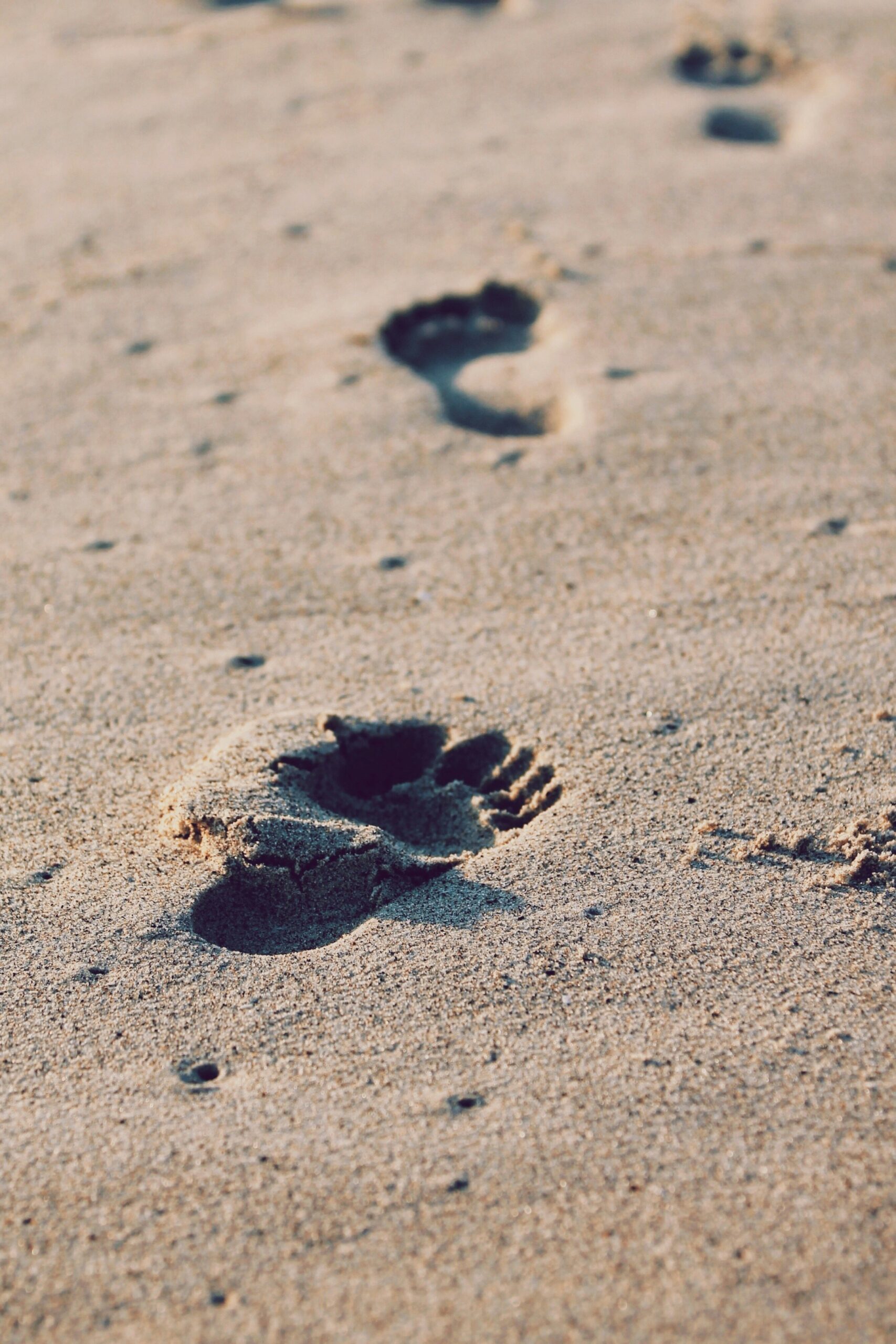
When women visit Soma, they are often surprised when I ask to assess the movement and tension in their feet. After all, if someone has come to see me because of neck tension, lower back discomfort, headaches, or pelvic pain, their feet are not usually the first thing that comes to mind.
But our feet play a far bigger role in the health and function of the rest of our body than many of us realise.
Our feet are our foundation. They are the first part of us to meet the ground and the starting point for every step we take throughout the day. They help us balance, absorb force, adapt to different surfaces, and provide important information to our nervous system about where we are in space.
Over time, however, our feet can become a little neglected. They are simply “there” at the base of our body, quietly helping us take one step after another. Yet years of wearing supportive shoes, spending less time barefoot, pregnancy, changes in body weight, injuries, or simply the demands of daily life can all influence how our feet move and function.
And when movement changes at the feet, the rest of the body often has to adapt. After all, the body is designed to work as one connected system. The ankles, knees, hips, pelvis, and spine all influence one another. If one area is not moving as efficiently as it could, another area may begin to compensate in an attempt to keep us moving forward.
This is one of the reasons I look at the body as a whole rather than focusing solely on the area that is uncomfortable. In fact, these connections extend beyond the joints themselves. What many people don’t realise is that the body is connected through a vast network of connective tissue called fascia.
Fascia is a little like a three-dimensional web that surrounds and connects muscles, joints, nerves, and organs throughout the body. Rather than viewing the body as lots of separate parts, fascia reminds us that everything is connected. There are fascial lines that travel from the soles of the feet all the way up through the backs of the legs, the pelvis, the spine, and into the neck and head. This means that changes in movement, tension, or function at the feet can sometimes influence areas much further up the body, and vice versa.
These connections don’t stop at the spine either. They also extend into the pelvis and pelvic floor. If you read last week’s blog, you will know that the pelvic floor doesn’t work in isolation. It forms part of a wider system involving the diaphragm, abdominal muscles, pelvis, spine, and the rest of the body. When we walk, balance, and move, our feet help provide stability and information that influences how the pelvis and pelvic floor respond. This is particularly important during pregnancy, postpartum recovery, and at other stages of life when the body is adapting to changing demands.
Because the feet influence so much of how we move and adapt, they are something I routinely assess as part of a chiropractic examination, and adjust during regular visits if required when someone is receiving care. Just like other joints throughout the body, the joints of the feet can become restricted and not move as well as they were designed to. Supporting healthy movement and function through the feet may help improve how the rest of the body moves and adapts.
Of course, the feet are rarely the entire answer to someone’s symptoms. But they are often an important piece of the puzzle.
So, as you carry on with your day, perhaps take a moment to think about your feet. They carry you through busy days, school runs, work, exercise, pregnancy, motherhood, and all of life’s demands, often without a second thought. Yet sometimes the most overlooked areas of the body can have a bigger influence than we realise.
With love,
Sarah