
£80 for Initial Consults & Assessment + Care Recommendations
Save £20 on all new patient consultations. Expires 1st of September.

We often hear the phrase “nervous system” spoken about in health and wellbeing, but many people are not entirely sure what it actually means or why it matters so much. So this week, I thought I would offer a little insight.
Your nervous system is essentially your body’s communication system, comprised of your brain, spinal cord and nerves. It is constantly gathering information, processing what is happening around you, and helping your body respond to the world around it. It influences far more than most people realise, from movement and posture to sleep, stress, tension, digestion, energy, and how calm or settled you feel within yourself.
Part of this system includes two important branches known as the sympathetic and parasympathetic nervous systems.
The sympathetic nervous system is your body’s “fight or flight” response. It helps you cope with stress, pressure, busy schedules, rushing around, emotional overwhelm, and the constant demands of modern life. In short bursts, this response is incredibly helpful and protective, especially if there was a genuine emergency. It is designed to help us react quickly and keep going when needed.
The parasympathetic nervous system, on the other hand, is often described as your “rest and digest” state. This is where the body can slow down, digest properly, recover, heal, breathe more deeply, and feel calmer and more settled.
One of the key parts of this calming system is something called the vagus nerve. The vagus nerve helps carry messages between the brain and many areas of the body, including the heart, lungs, and digestive system. It plays an important role in helping us feel regulated and able to shift out of survival mode.
The spine also plays an incredibly important role within this communication system. The spinal cord sits within the spine and acts as a pathway for messages travelling between the brain and body. When the body is under physical or emotional stress, we can often begin to see changes in posture, muscle tension, breathing patterns, and movement, particularly through areas such as the neck, shoulders, and lower back.
And as women, many of us move through life carrying a lot. Whether it be busy schedules, mental load, pregnancy and postpartum changes, work stress, hormonal shifts, or constantly switching between caring for others whilst trying to hold everything together ourselves.
Over time, this can begin to show up physically. Tension through the neck and shoulders. Headaches. Feeling wired but tired. Holding your breath without even realising. Difficulty fully relaxing. Feeling like your body is always “on.”
How often do you truly feel calm, rested, and able to fully switch off? I would certainly be lying if I said all of the time!
Whilst we cannot remove all stress from life, small moments of rest throughout the day can make a real difference. Importantly, these things do not need to be complicated.
Sometimes it can be as simple as stepping outside for a few minutes of fresh air, slowing your breathing, stretching your body gently, putting your phone down whilst drinking your tea, walking without rushing, or allowing yourself a few quiet moments before moving on to the next task.
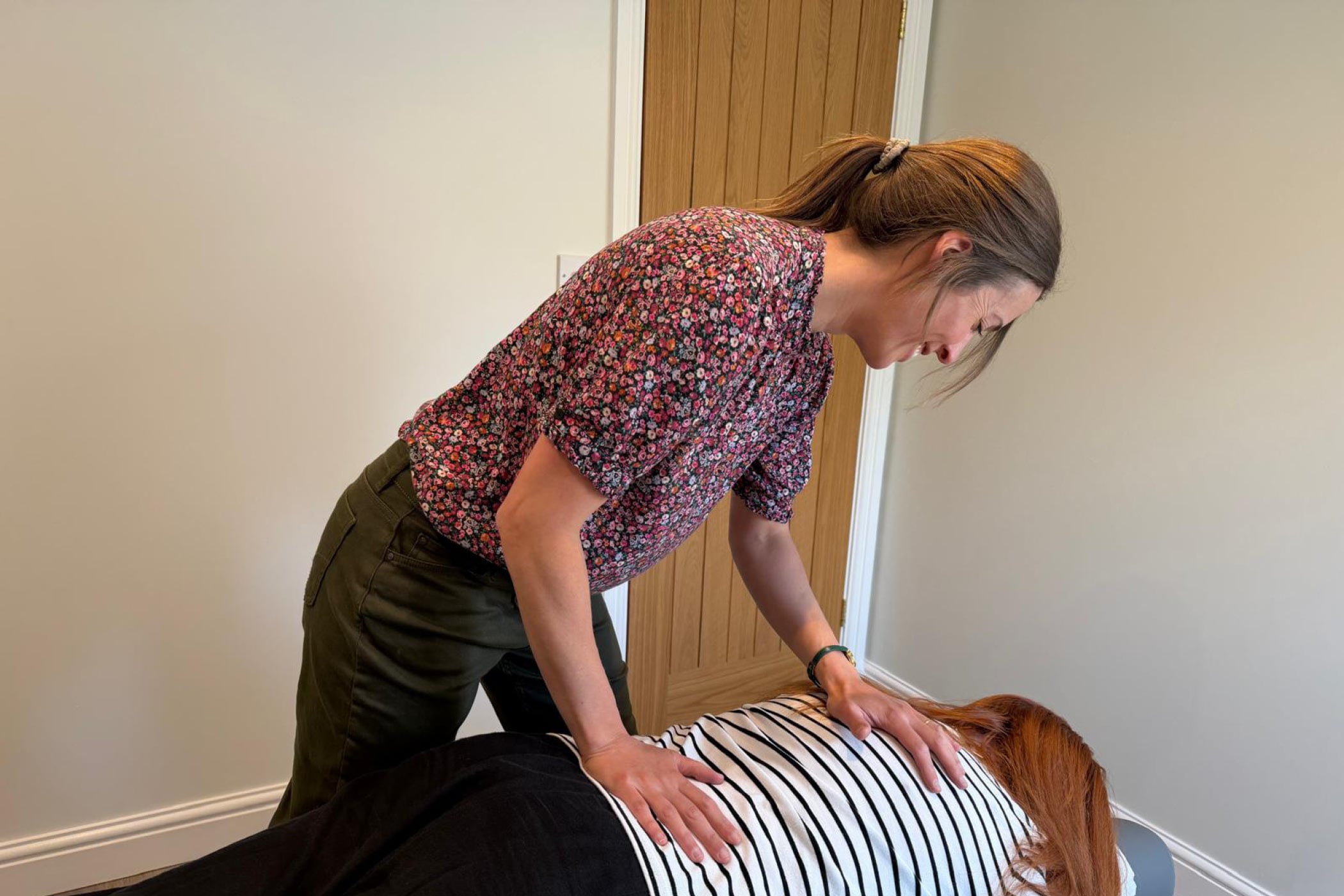
This is also one of the reasons chiropractic care can be so helpful for many women. Chiropractic is not simply about necks and backs. It is about supporting healthy movement and nervous system function, helping your body cope more comfortably with the physical and emotional demands of everyday life.
Sometimes the first step is simply slowing down enough to notice what your body may already be trying to tell you.
Because your body is always communicating with you. The question is often whether we have created enough space to listen.